Facts Nero
Voyager 1 went silent for two days, then fixed itself
In October 2026, NASA lost contact with Voyager 1 for about 48 hours. The probe switched to backup thrusters on its own, weeks before it reaches one light-day from Earth.
By Facts Nero4 min read
Key facts
- Silent
- 18–19 October 2026
- Signal returned
- 20 October 2026
- Distance then
- About 24 billion km (16 billion miles)
- Speed
- About 61,155 km/h
- One light-day
- 18 November 2026
- Power loss each year
- About 4 watts
For two days in October, the farthest human-made object in space stopped answering. NASA's Deep Space Network could not hear Voyager 1 during scheduled check-ins on 18 and 19 October 2026. Then, on 20 October, the signal came back on its own, before engineers on Earth had sent a fix.
NASA's Jet Propulsion Laboratory reported the episode on 29 October. It is the latest reminder that Voyager 1, launched in 1977, is still inventing new ways to keep going, just weeks before it becomes the first spacecraft to reach one light-day from Earth.
01What happened
According to JPL, the Deep Space Network tried to hear Voyager 1 twice, 24 hours apart, and got nothing. The spacecraft was then about 24 billion kilometres (16 billion miles) from Earth. On 20 October the signal reappeared, and the team has stayed in contact since.
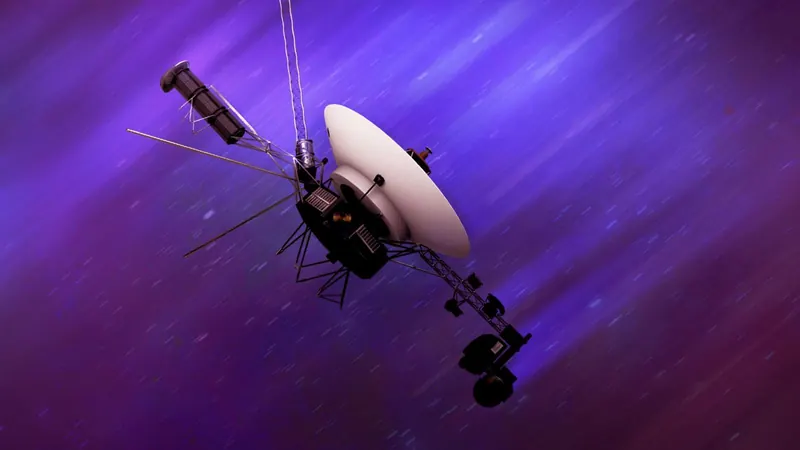
Engineers have not yet found what started the problem. What they do know is that one group of thrusters went offline and their backups switched on. Voyager is programmed to do that automatically if its computers sense trouble with the thrusters that are in use. That automatic response is called fault protection: the spacecraft puts itself into a safe, stable state and pauses normal operations so people on Earth can work out what went wrong.
“This is the first time we've seen the spacecraft do something like this, but we are also at a point in the mission where we have to expect the unexpected,” said Kareem Badaruddin, Voyager mission manager at JPL. “We're relieved to be back in contact with Voyager 1 and are eager to understand what happened.”
02Why a fix from Earth would have been slow
At Voyager 1's distance, a radio command takes almost a day to arrive, and the reply takes another day to come home. Suzanne Dodd, Voyager project manager at JPL, put it this way: if you want to say hello, you send the message, go home, and wait two days for the answer.
So when the signal vanished, there was no quick remote fix. The spacecraft had to look after itself. That it came back without waiting for Earth is why the team called the pause resolved.
03The ‘Big Bang’ power swap
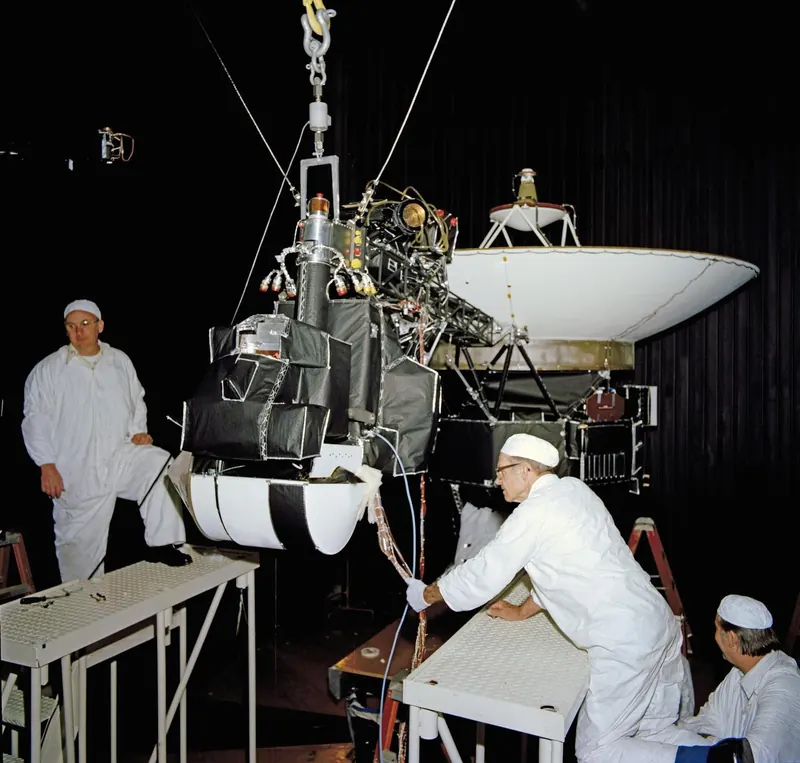
The thruster scare came weeks after another careful job. In early September 2026, engineers finished what they nicknamed the “Big Bang”: they turned off three devices on Voyager 1 and replaced them with three that use less power. The same swap had been done on Voyager 2 about six weeks earlier.
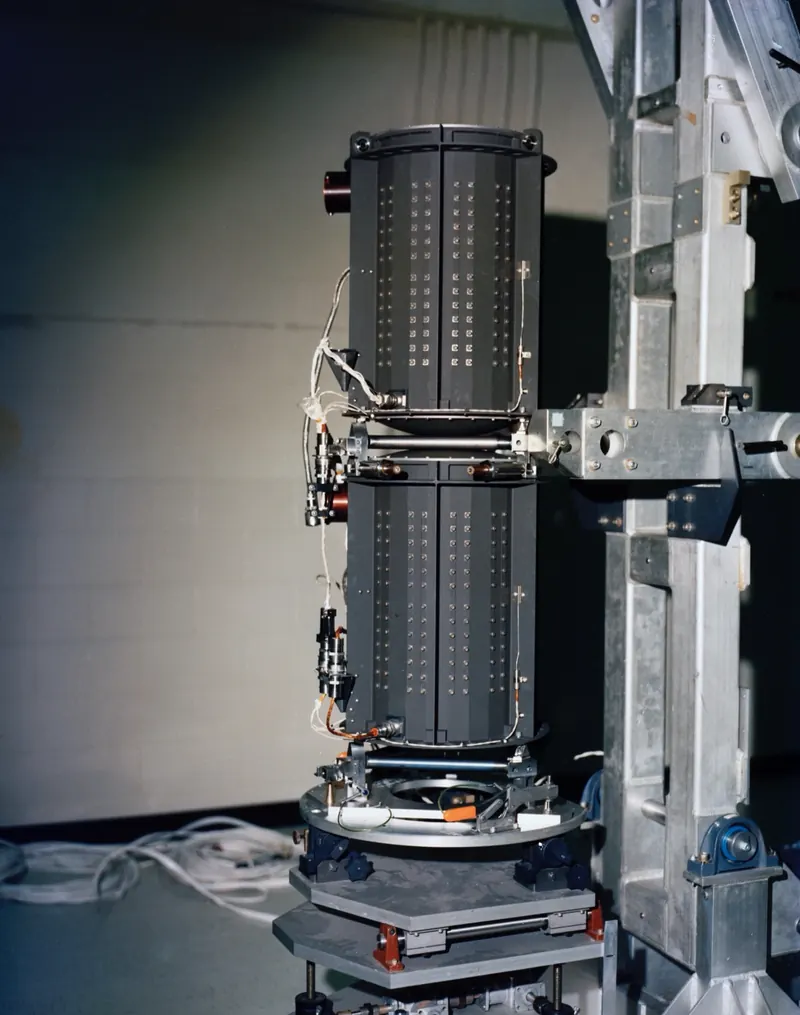
Both Voyagers run on radioisotope thermoelectric generators, which turn heat from decaying plutonium into electricity. JPL says each probe loses about 4 watts of power every year. The six devices that were swapped help keep the spacecraft warm. The team had to change all three at once, so that heat stayed properly spread while total power use fell.
Without that swap, JPL says Voyager 1 would have needed to turn off another science instrument as early as summer 2027. The mission launched with ten science instruments; some were switched off after the planetary flybys, and in recent years two more have been turned off to save power. Voyager 1 and 2 are still the only spacecraft that have studied interstellar space directly.
04One light-day, then more surprises
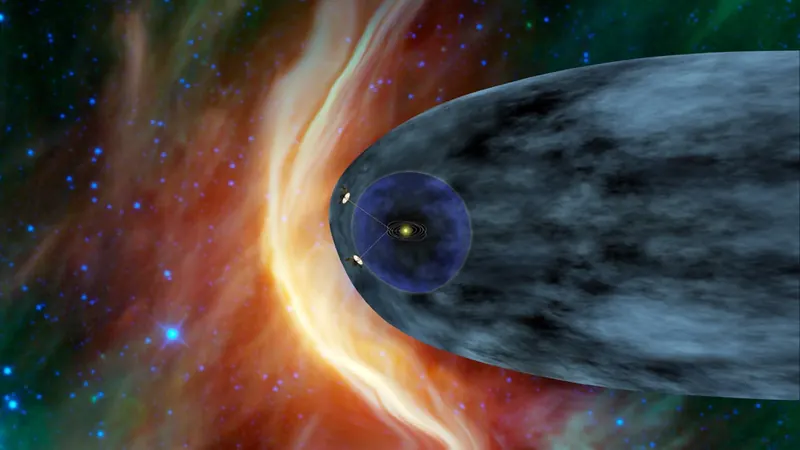
On 18 November 2026, Voyager 1 will be 25.89 billion kilometres (16.09 billion miles) from Earth — one light-day. Nothing about the spacecraft or its surroundings will change at that moment. The milestone is about how far human hardware has already gone. JPL puts its speed at about 61,155 kilometres per hour (38,000 mph).
We already have a longer explainer of what one light-day means: Voyager 1, one light-day from Earth. This article is about the scare that came just before it.
Between now and summer 2027, the team expects more surprises. For now, Voyager 1 is talking again, and the investigation into why its thrusters flipped continues.
About this article
Written by Facts Nero from NASA JPL's 29 October 2026 update and the reports above, all checked on 6 November 2026. This is a written article with no video. Distances, times, the thruster swap, the Big Bang power work, the 4-watt yearly loss and the 18 November light-day figures come from JPL. Quotes are JPL's. Why the first thruster group failed is still unknown, and JPL says so; we do not guess. Space.com, Sky at Night and The Register repeat the same timeline. We do not name the three devices that were swapped, because JPL did not. This is a new story about the October 2026 pause; it does not replace our earlier light-day explainer.
Sources
- NASA's Voyager 1 Conserves Power, Resolves Brief Communications Pause (29 October 2026), NASA JPL
- NASA's Voyager 1 probe bounces back from communications glitch in interstellar space (5 November 2026), Space.com
- NASA gets Voyager 1 back online after comms glitch (3 November 2026), BBC Sky at Night Magazine
- Voyager 1 gives controllers the silent treatment (30 October 2026), The Register
- November's Night Sky Notes: Light-Day Away, NASA Science