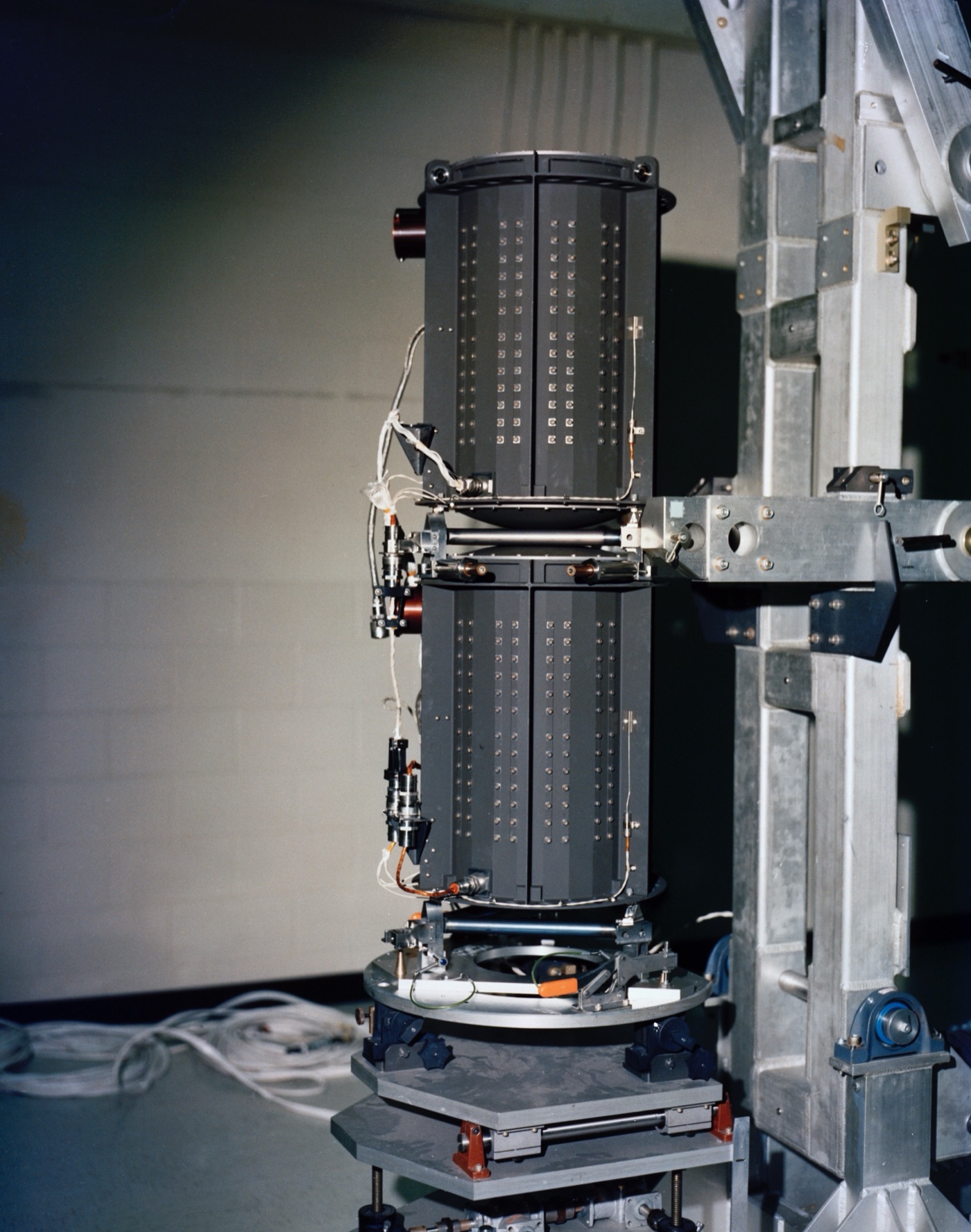
49 years in space, and Voyager 1 never crashed into anything
It has flown for 49 years at about 61,000 kilometres an hour without hitting a thing. How? Deep space is far emptier than we imagine.
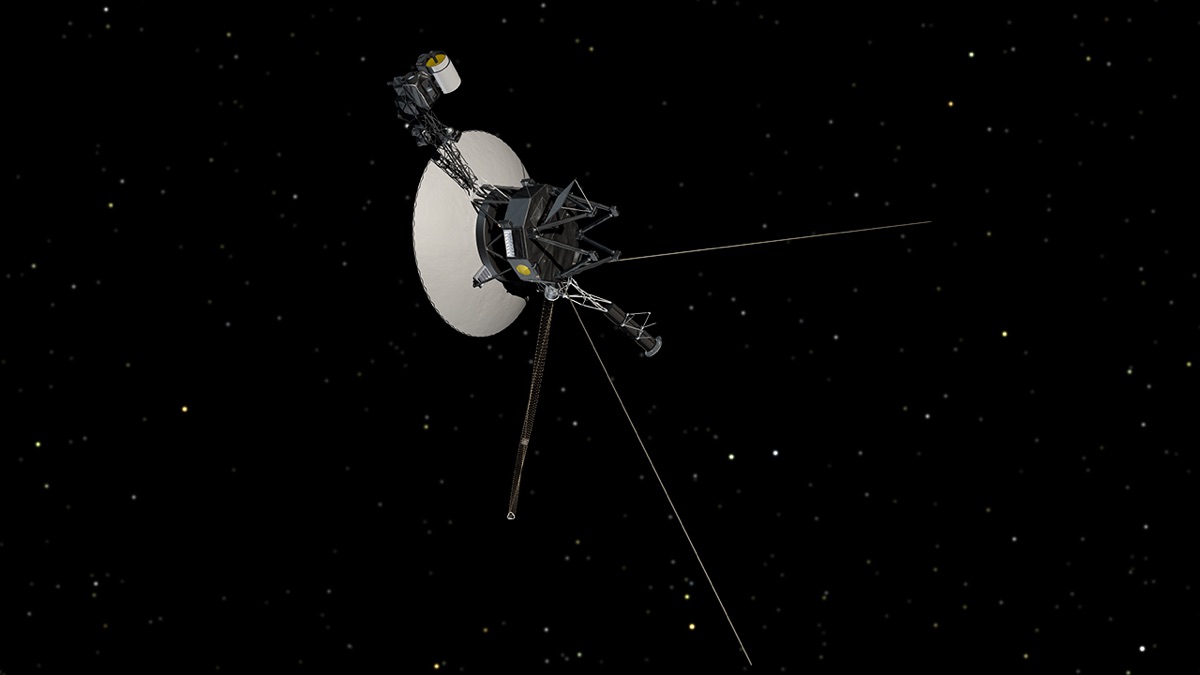
Voyager 1 has been flying for 49 years, at about 61,000 kilometres an hour, and it has never crashed into anything. How?
01Farther than anything we have built
It launched in 1977 and is now the farthest human-made object in history, about 26 billion kilometres from Earth. On 18 November 2026 it will be one full light-day away: a signal sent from Earth will take a whole day to reach it.
02Space is emptier than you think
We tend to imagine deep space packed with asteroids, like in the films. It isn't. Even the asteroid belt is so spread out that probes fly through it without steering around anything.
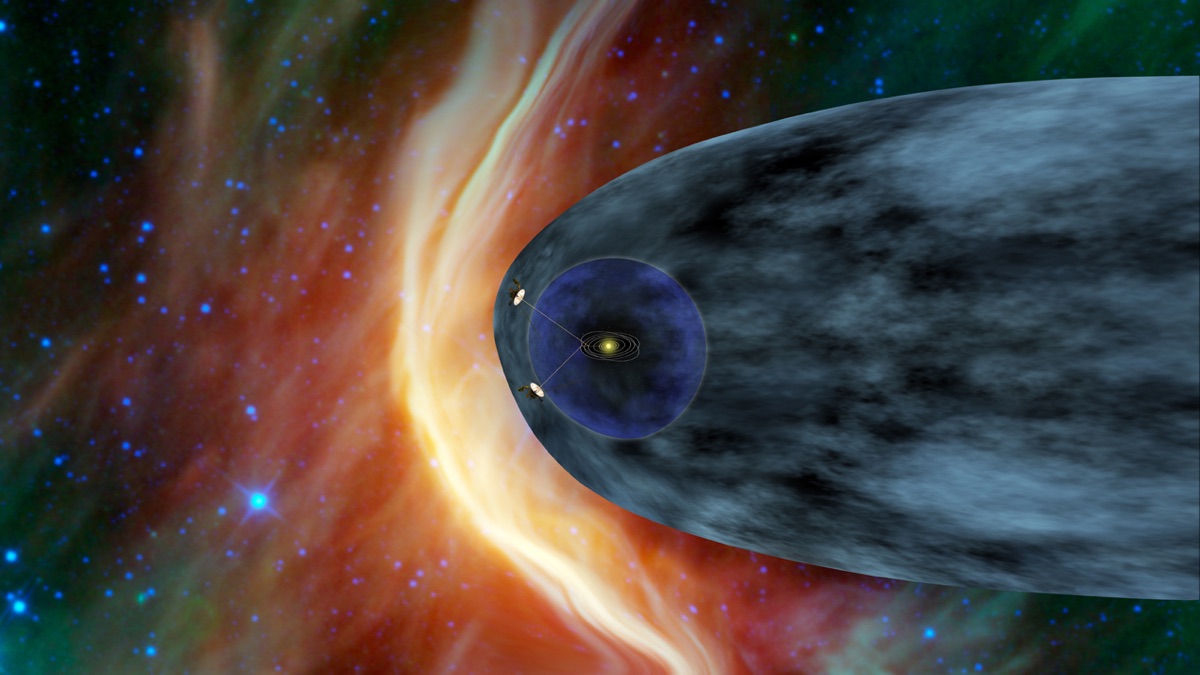
Out between the stars, where Voyager 1 is now, you can travel billions of kilometres and find practically nothing: thin gas and dust grains far smaller than a grain of sand, spread incredibly thin. Voyager's instruments did record tiny dust hits along the way, but nothing that could do real damage.
03The real enemy is power
So the danger was never an asteroid crash. It is power. Voyager runs on three generators that turn the heat of decaying plutonium into electricity, and their output drops by about 4 watts every year.
To keep the spacecraft alive, NASA has been switching its science instruments off one by one. Only two are still running.
04Silent, but still going
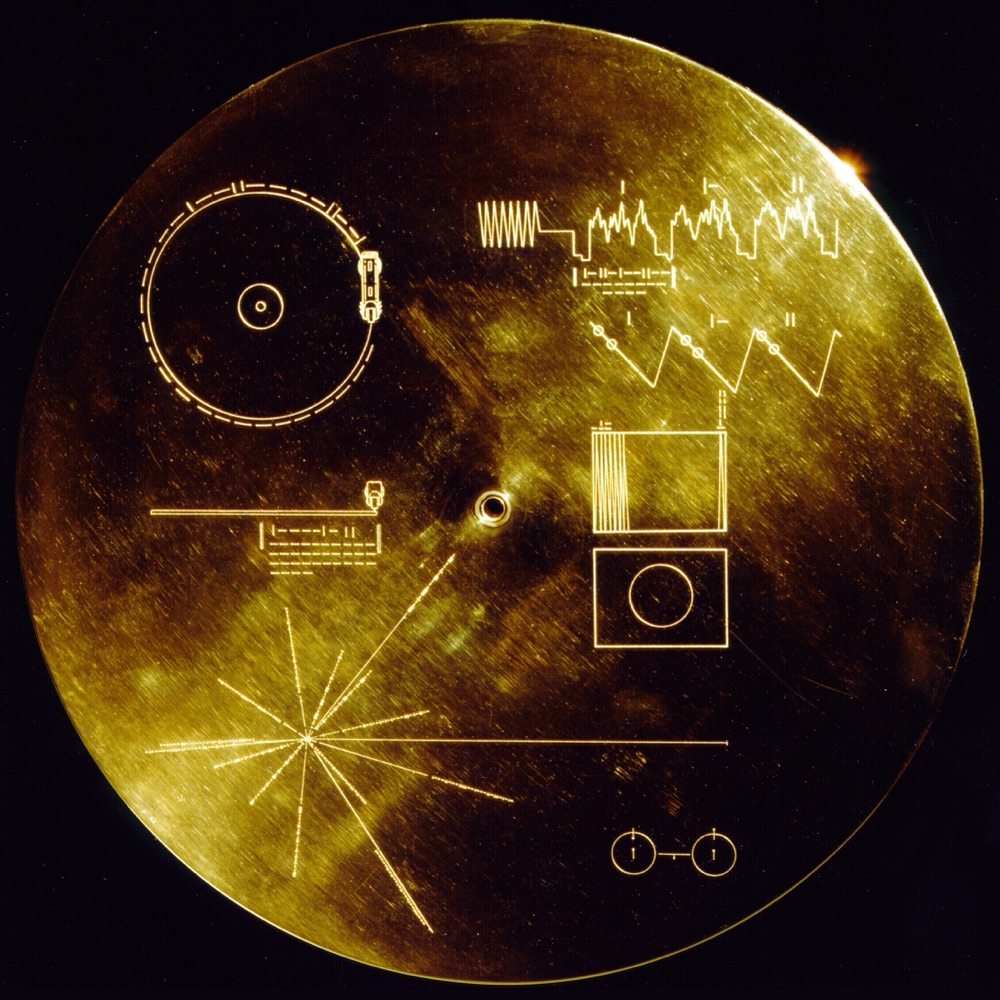
Voyager 1 will probably never hit anything. One day it will simply go silent, and then it will drift between the stars for a very, very long time, carrying the Golden Record with it.
If you could send one message into that emptiness, what would it be?
Sources
- Voyager 1 mission page, NASA Science
- Where are Voyager 1 and Voyager 2 now?, NASA
- NASA shuts off instrument on Voyager 1 to keep the spacecraft operating, NASA JPL
- Voyager 1 one light-day from Earth on November 17-18, 2026, EarthSky
Written by Facts Nero from the script of our video. Numbers were checked against the sources above.
More from Facts Nero
-
 Long video · 14 minNASA/JPL-Caltech
Voyager 1 is about to be one light-day from Earth
Launched in 1977 with less memory than one phone photo. On 18 November 2026 a message to it will take a full day to arrive.
Space probesRead · 7 minWatch ▶ -
 Short · 31 sNASA/JPL-Caltech
Where is Voyager 1 right now?
About 26 billion kilometres out, past the Sun's wind, with two instruments still running.
Space probesRead · 7 minWatch ▶