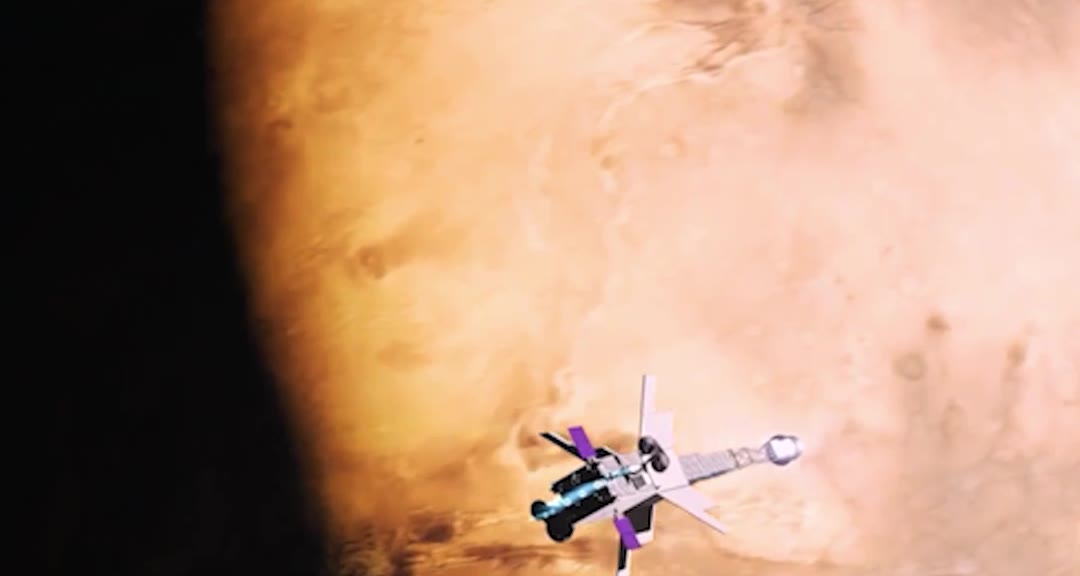
NASA's nuclear spaceship is heading to Mars
SR-1 Freedom will carry a small nuclear reactor and fly past Mars after a planned launch in late 2028. Here is why that is a big deal.
NASA is planning to launch a spaceship with a nuclear reactor inside it toward Mars in late 2028. It is called SR-1 Freedom, and it could change how far and how fast we travel in space.
01The problem with rocket fuel
Every rocket works the same way: it burns fuel and throws it out the back really fast. The trouble is that chemical fuel just doesn't hold much energy for its weight. So most of a rocket is fuel, and almost all of it is used up in the first few minutes.
After that, a spacecraft mostly coasts. That is why Voyager 1, our fastest-travelling probe heading out of the solar system, would still need more than 70,000 years to reach the nearest star.
02What nuclear changes
Instead of burning fuel, you use a small reactor to make heat or electricity. That way you get at least twice as much out of every kilogram of fuel, and you can keep pushing for months or years instead of minutes.
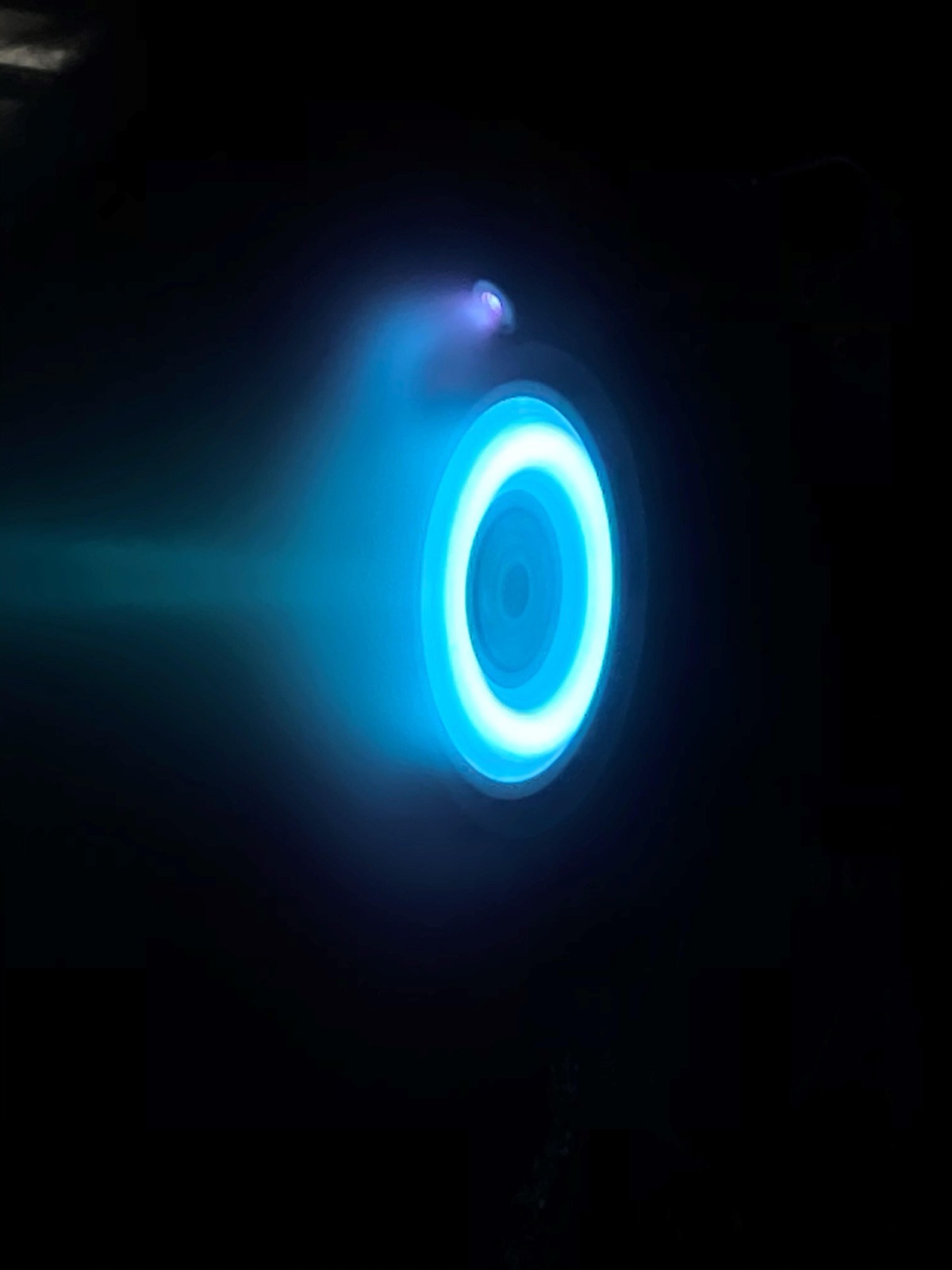
SR-1 Freedom uses its reactor to make electricity for electric thrusters. They push gently, but they never really stop, and over a long trip that steady push adds up.
03Helicopters for Mars
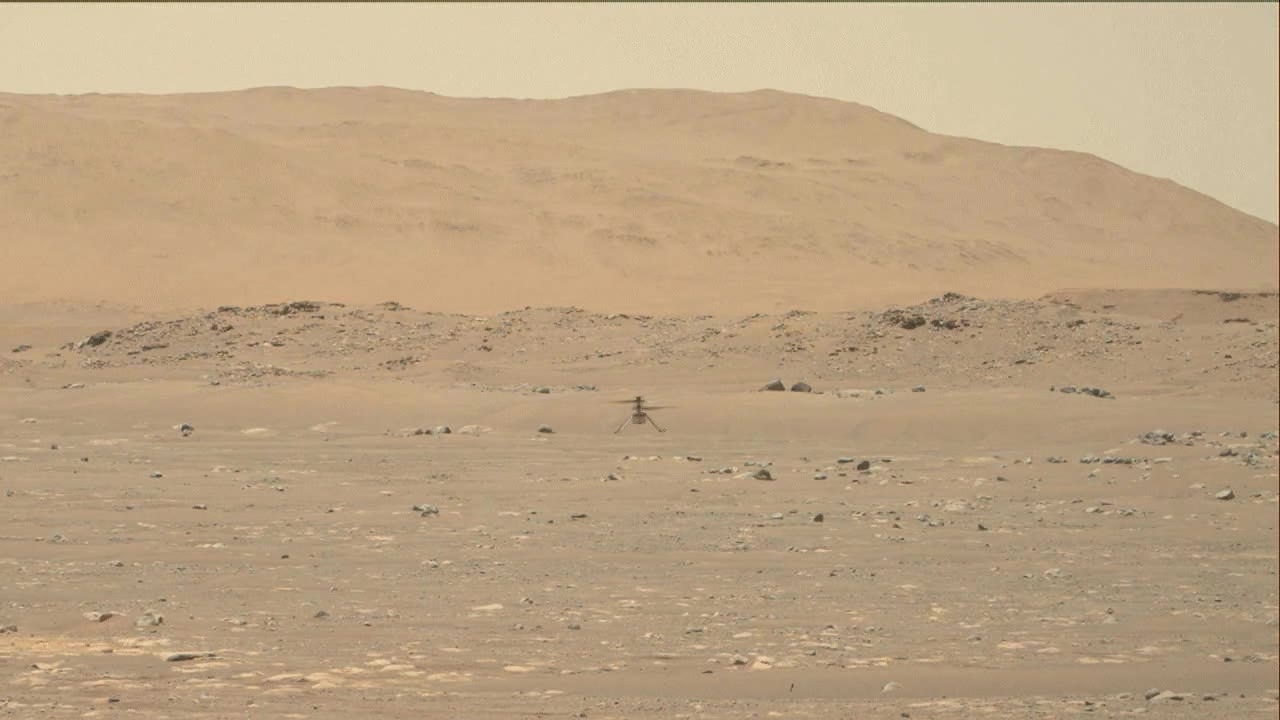
As SR-1 Freedom flies past Mars, it will drop three small helicopters onto the planet. They follow Ingenuity, the little helicopter that made the first powered flight on another world in 2021.
04And after that?
The next step people dream about is fusion, the same process that powers the Sun. Nobody has built a fusion engine yet. But if we ever want to reach the nearest star within a human lifetime, that is probably how we will do it.
A reactor in space is the first step away from rockets that run out of push in minutes.
Sources
- Space Reactor-1 Freedom, NASA mission page
- NASA announcement of SR-1 Freedom, 24 March 2026, NASA on X
- NASA to test nuclear electric propulsion with 2028 mission to Mars, SpaceNews
- NASA's first nuclear-powered interplanetary spacecraft will send SkyFall helicopters to Mars in 2028, Space.com
- Ingenuity Mars Helicopter, NASA
Written by Facts Nero from the script of our video. Numbers were checked against the sources above.
More from Facts Nero
-
 Long video · 14 minNASA/JPL-Caltech
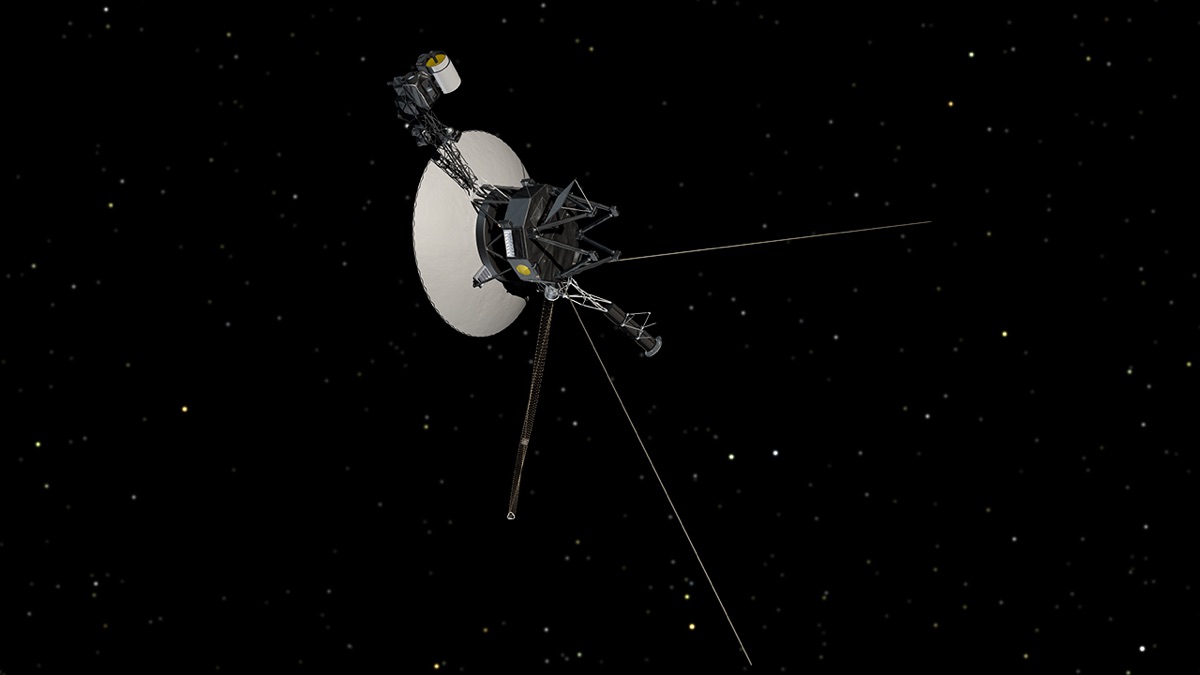
Voyager 1 is about to be one light-day from Earth
Launched in 1977 with less memory than one phone photo. On 18 November 2026 a message to it will take a full day to arrive.
Space probesRead · 7 minWatch ▶ -
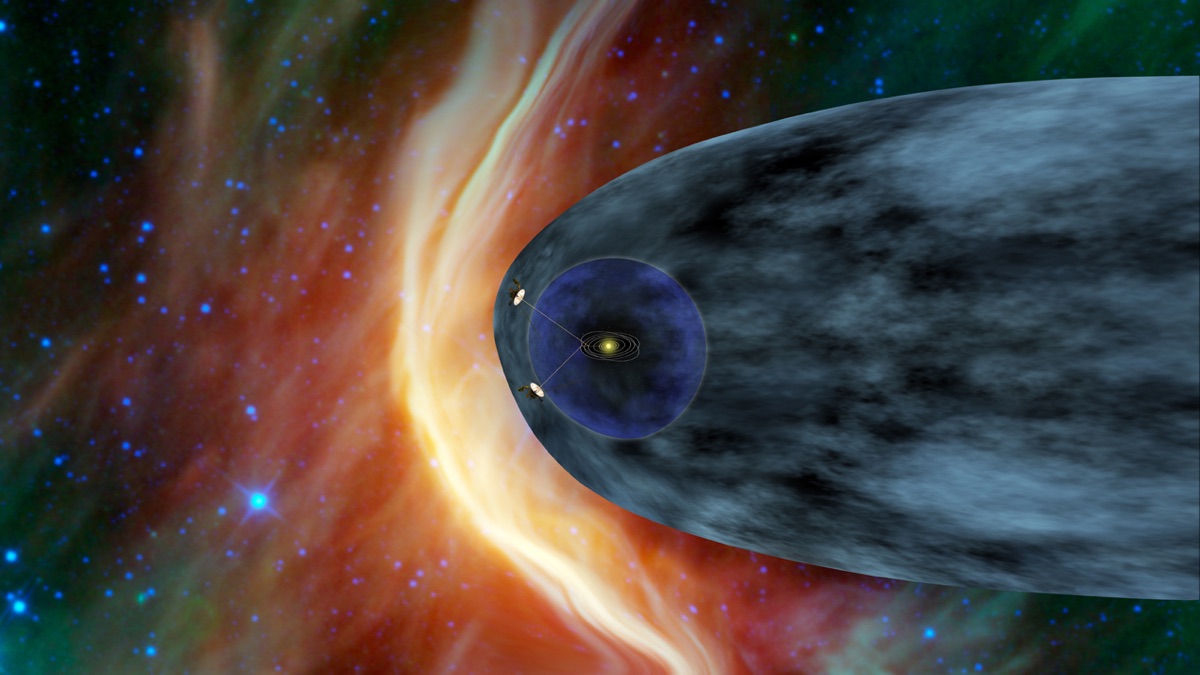 Short · 31 sNASA/JPL-Caltech
Where is Voyager 1 right now?
About 26 billion kilometres out, past the Sun's wind, with two instruments still running.
Space probesRead · 7 minWatch ▶